
Fresh Food Access: 10 Facts Worth Understanding
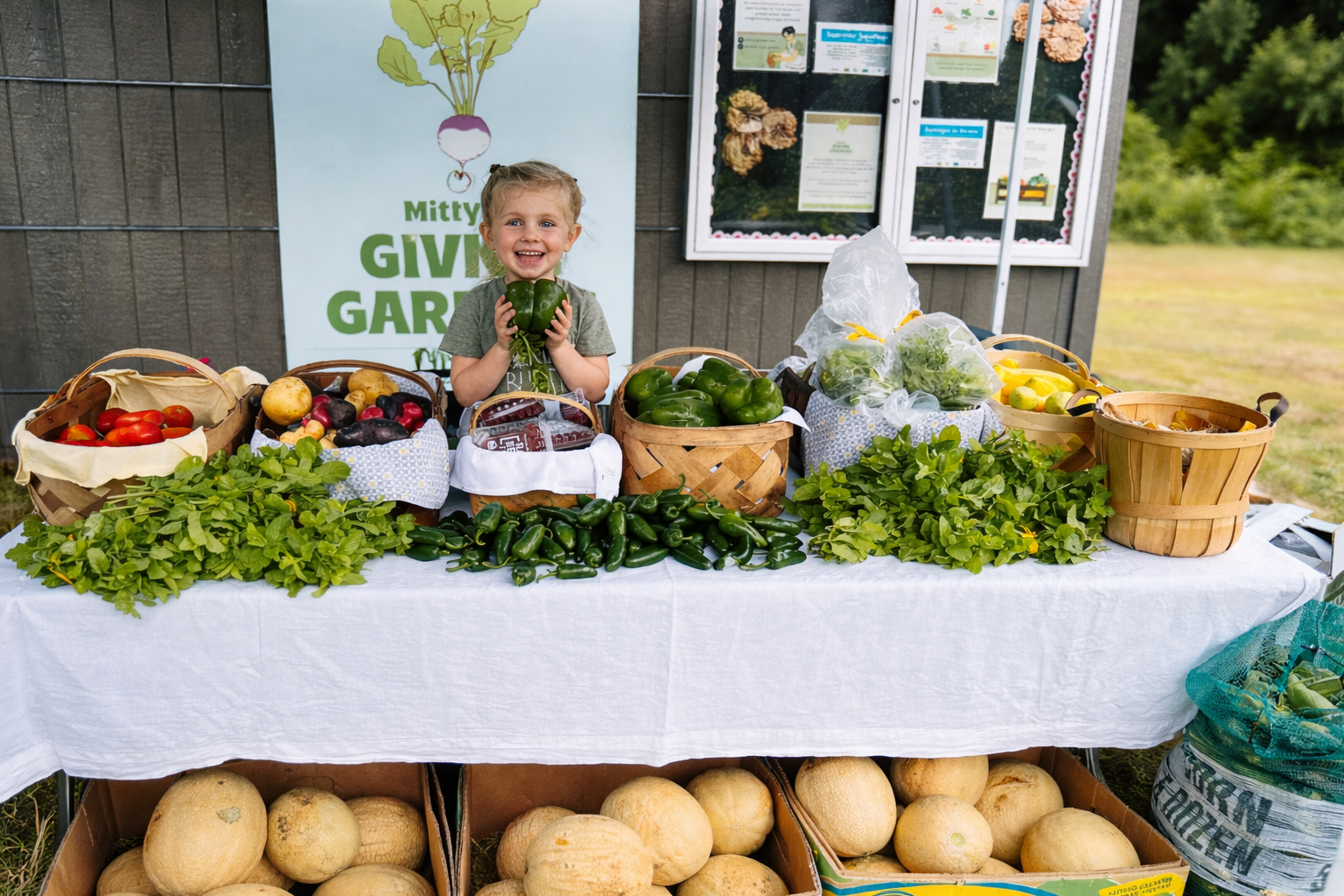
Food insecurity is often described as not having enough food. In reality, it is more complex. Access to fresh, nutritious food is shaped by health, income, geography, and public policy. These ten evidence-based facts help explain why fresh food access matters.
1. Food insecurity affects millions of Americans.
Nearly 1 in 7 U.S. households experience food insecurity in a given year.
2. It is about quality as well as quantity.
The USDA defines food insecurity as reduced quality and variety of diet and not just reduced calories.
3. Most Americans do not eat enough fruits and vegetables.
Only about 1 in 10 adults meet federal fruit and vegetable recommendations.
4. Diet quality is strongly linked to health.
Higher intake of fruits and vegetables is associated with lower risk of heart disease, type 2 diabetes, and certain cancers.
5. Food insecurity is connected to chronic disease
Adults experiencing food insecurity report higher rates of hypertension, diabetes, and poor overall health.
6. Children are especially vulnerable.
Millions of children live in food insecure households, and food insecurity in childhood is linked to poorer health and academic outcomes.
7. Disparities persist across communities.
Black and Latino households experience food insecurity at significantly higher rates than White households.
8. Federal nutrition programs matter.
Programs like SNAP help millions to afford groceries each month. When benefits are reduced or delayed, communities feel the impact quickly.
9. Geography shapes access.
Millions of Americans live in low-income areas with limited access to full-service grocery stores.
10. Food access is structural, not personal.
Housing costs, wages, transportation, healthcare expenses, food prices, and public policy all influence whether families can consistently afford fresh food.
Why This Matters
Fresh food access sits at the intersection of health, equity, economics, and policy. It affects how children learn, how adults manage chronic disease, and how communities thrive.
Understanding these layers helps move the conversation beyond individual choices and toward practical, community-based solutions.
Harvest Forward believes fresh food should be part of food security and not an extra.
Sources
Centers for Disease Control and Prevention (CDC). Fruit and Vegetable Consumption Data.
U.S. Department of Agriculture (USDA), Economic Research Service. Food Security in the United States.
U.S. Department of Agriculture (USDA). Food Access Research Atlas.
Dietary Guidelines for Americans. U.S. Department of Health and Human Services and USDA.
Food Research & Action Center (FRAC). Hunger and Health Reports.
Peer-reviewed public health studies on food insecurity and chronic disease (National Institutes of Health / PubMed Central).
Research Brief No: 001
Last Updated: February 2026 .
